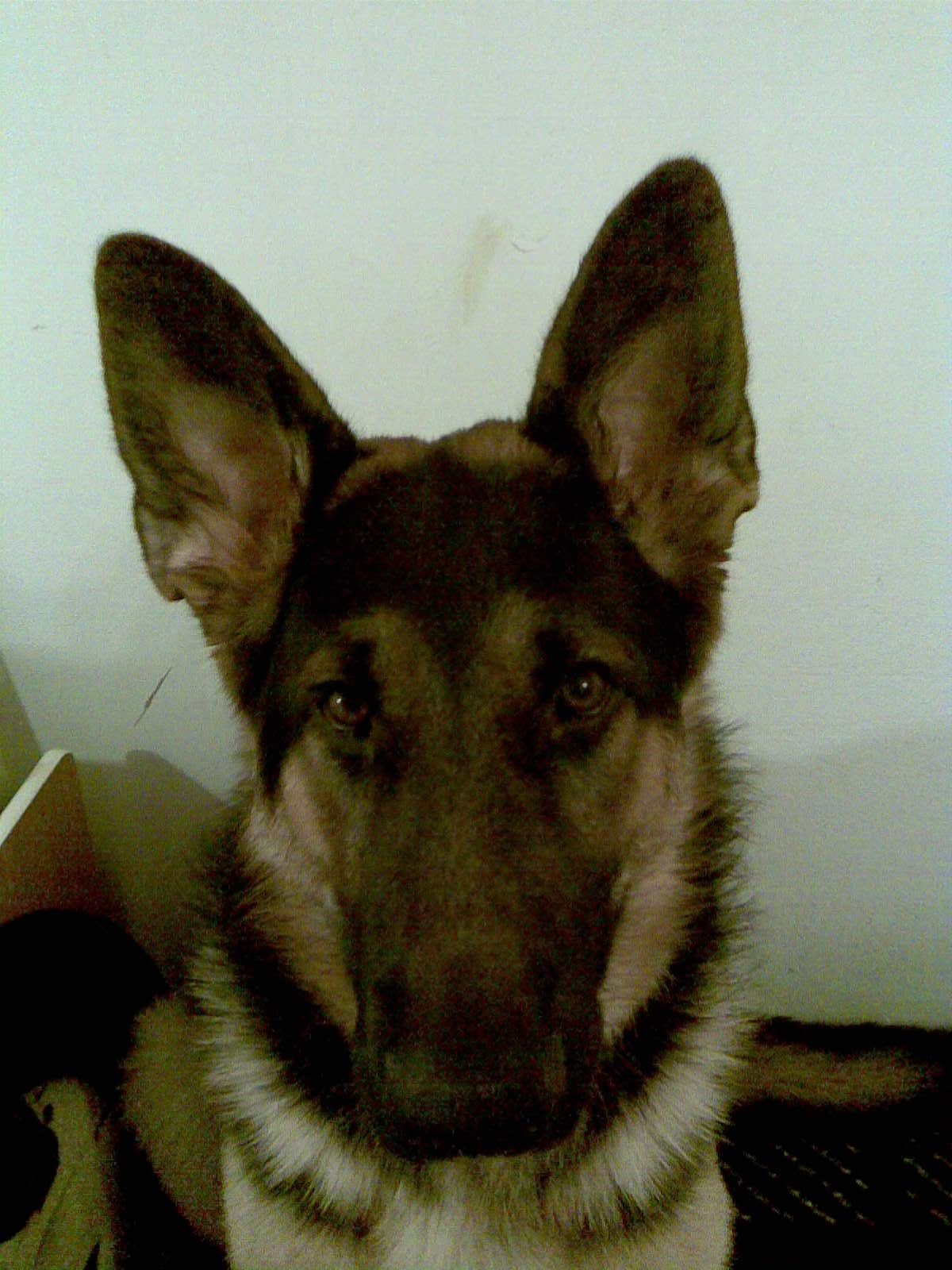
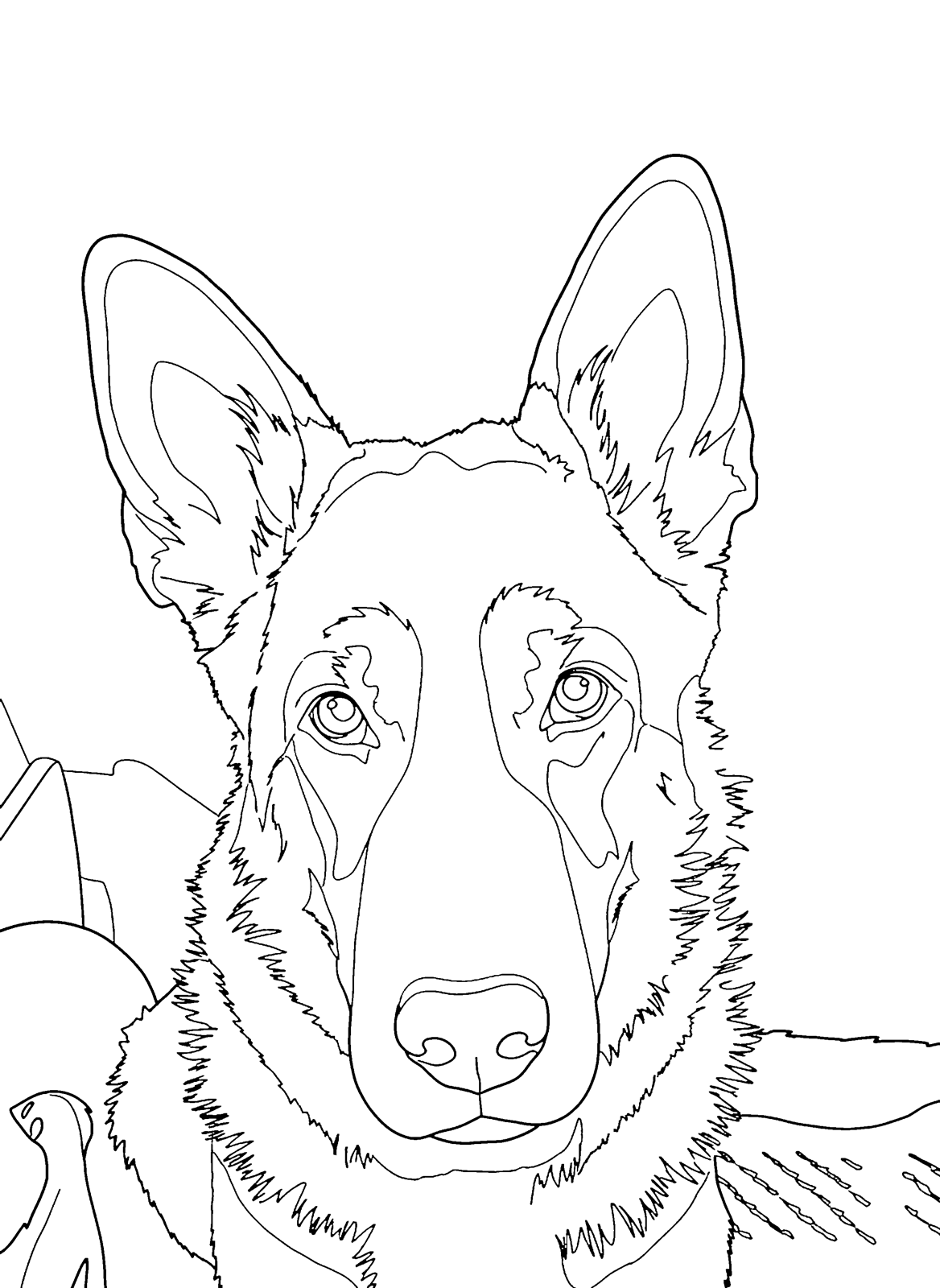

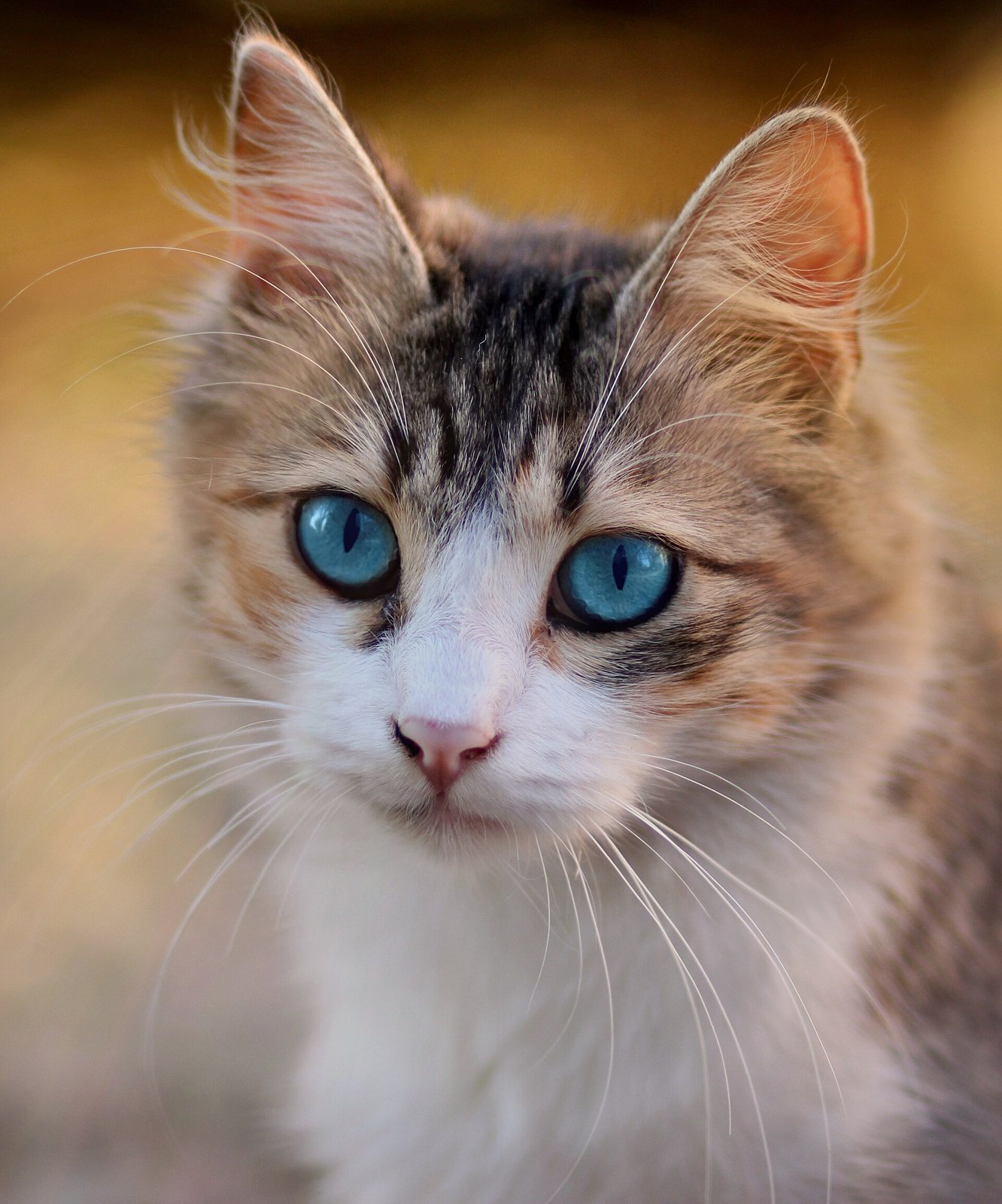
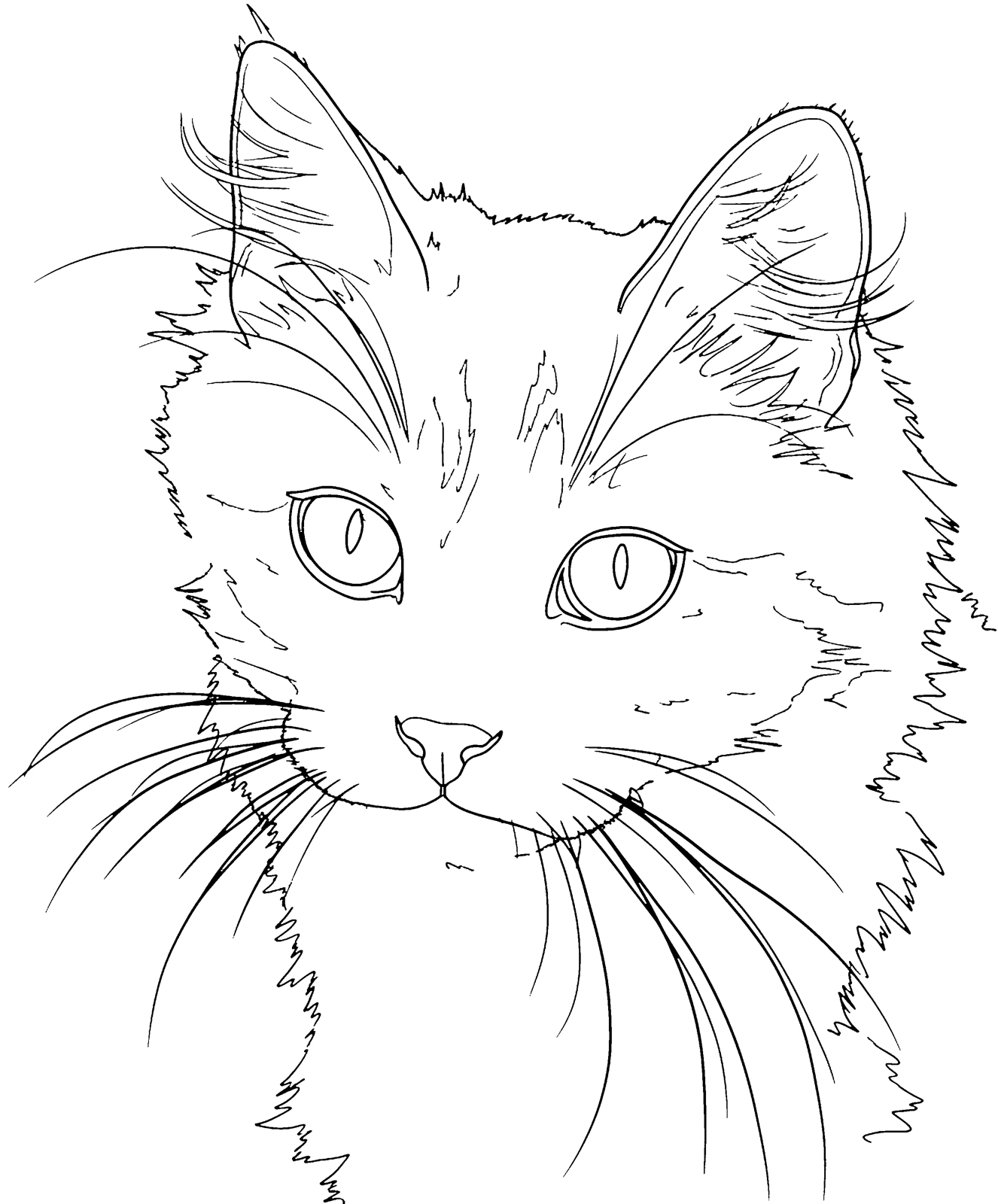
A pet coloring page from a photo is a page of your own animal, not a generic cartoon dog or a cat from a coloring book. Coloriki traces the outline of your pet from the picture you upload, so the floppy ear, the white patch on the chest and that particular tilt of the head are all still there. Dogs, cats, rabbits, horses, parrots, hamsters, guinea pigs, lizards and tortoises all work. Upload a photo, choose a style, and in about fifteen seconds you have a page to print or to color online.
Children love coloring the animal they feed and cuddle every day. Adults like it too: a detailed portrait of a horse or a parrot is a calm evening of coloring, and a page of a family pet makes a thoughtful gift. This page explains how to take a photo that turns into a good page, which style suits which coat, and how to turn several pet pages into a small coloring book.
How to make a coloring page of your pet
- 1 Choose a clear photoPick a sharp, well-lit photo where your pet fills most of the picture. JPG, PNG and WebP up to 15 MB work, and iPhone photos are converted in your browser.
- 2 Pick a styleClassic traces your pet faithfully for all ages. Little Hands has very thick lines for ages 2 to 5. Detailed keeps fine fur, feathers and scales for older kids and adults. Cartoon, Kawaii and Mandala Frame redraw your pet in a new look.
- 3 Clean up the backgroundUnder More options, choose Simplify or Remove for the background so the sofa, the garden or the cage bars do not crowd the page.
- 4 Print it or color it onlineDownload the HD page as a PNG or as a PDF for A4 or US Letter, or color it on screen with tap-to-fill, crayon and marker.
How to photograph a pet for a coloring page
Most pet photos are taken from standing height, looking down, so the floor becomes the background. Get down to your pet's eye level instead: sit on the floor for a dog or cat, crouch beside the hutch for a rabbit, hold the phone level with a bird on its perch. The page will feel like a portrait rather than a snapshot.
Light matters more than the camera. Daylight from a window, beside or in front of your pet, shows the shape of the face and the direction of the fur. Avoid strong light from behind, which turns your pet into a dark shape. Black and dark brown animals need extra light, because dark fur in a dim room loses its detail.
- Eye level: get down to your pet's height
- Eyes in focus: tap the eyes on your phone screen before you take the photo
- Fill the frame: the animal should cover at least half of the picture
- Plain background: a wall, a blanket, grass or the sky
- Several shots: take ten and keep the sharpest one
Getting a pet to sit still
Few pets pose on request. The easiest moment is right after play or a walk, when a dog or cat is tired and happy to lie down. Ask someone to stand behind you with a treat or a toy, so your pet looks toward the camera with its ears up. A squeak or crinkled paper gets you a second of attention, often enough.
Small animals are easier on a table or in a familiar spot with a little food nearby. For a hamster or guinea pig, get close and let it come to you. For a horse, a side view in a field or a head portrait over the stable door both work well. Lizards and tortoises are often the best models of all: they sit still in the warm light.
Pet portrait gifts
A page of someone's pet is a small, personal gift. A child can color the family dog for a grandparent who misses it, a page of a horse can go to the rider who looks after it, and a colored portrait of a cat makes a kind thank-you for a pet sitter or a neighbor who fed it during the holidays.
For a gift to frame, print the HD page on thicker paper and let the child color it with colored pencils. The Mandala Frame style places your pet inside a decorative mandala border, which is lovely for an adult to color slowly and give.
A page to remember a pet
When a pet has died, coloring a page of them can be a quiet way for a child to remember. Choose a photo from a happy day, sit together, and talk about the pet while you color. Some families add the page to a memory box or put it on the wall beside a photo.
Adults use it too: coloring a portrait of an old friend, slowly, can be a gentle evening with good memories. It is fine to make the page now and color it later.
A coloring book about your pet
With up to 40 photos you can make a whole coloring book about one animal or about all your pets. The book has a color cover with your photo and title, a "This book belongs to" page, a dedication, every photo as a page with an optional caption, and a last page where the child draws their own picture. Captions like "Biscuit's first snow" or "Pepper at the beach" make each page a little story.
You can download the book as a print-ready PDF, or order an 8.5 by 11 inch paperback printed on both sides of the paper with the PDF included.
Which style for which coat
| Your pet | Good style | Why |
|---|---|---|
| Short, smooth coat (many dogs, short-haired cats, horses) | Classic or Detailed | Clear outlines; Detailed adds fine coat texture for older colorists |
| Long or fluffy fur (long-haired cats, fluffy dogs, angora rabbits) | Classic | Detailed can turn long fur into many small lines that are hard to color |
| Feathers and scales (birds, lizards, tortoises) | Detailed for adults, Classic for kids | Detailed keeps the pattern of feathers and scales |
| Tiny pets (hamsters, mice, guinea pigs) | Classic, close crop | A close photo keeps the face large enough to color |
| Any pet, for ages 2 to 5 | Little Hands | Very thick lines and big shapes |
| Any pet, just for fun | Cartoon or Kawaii | A playful redraw; your pet stays recognisable but is not traced exactly |
Tips for a better pet page
- Crop the photo close to your pet before uploading, especially for small animals.
- Busy room behind your pet? Choose Remove for the background.
- For black pets, use a photo taken in bright daylight.
- Make the same photo in Classic and Kawaii and let the child choose.
- For a framed gift, print on thicker paper and color with pencils.
- Pair the pet page with a free name page with the pet's name.